Transmitting Wealth in Switzerland: The Rules Many People Overlook
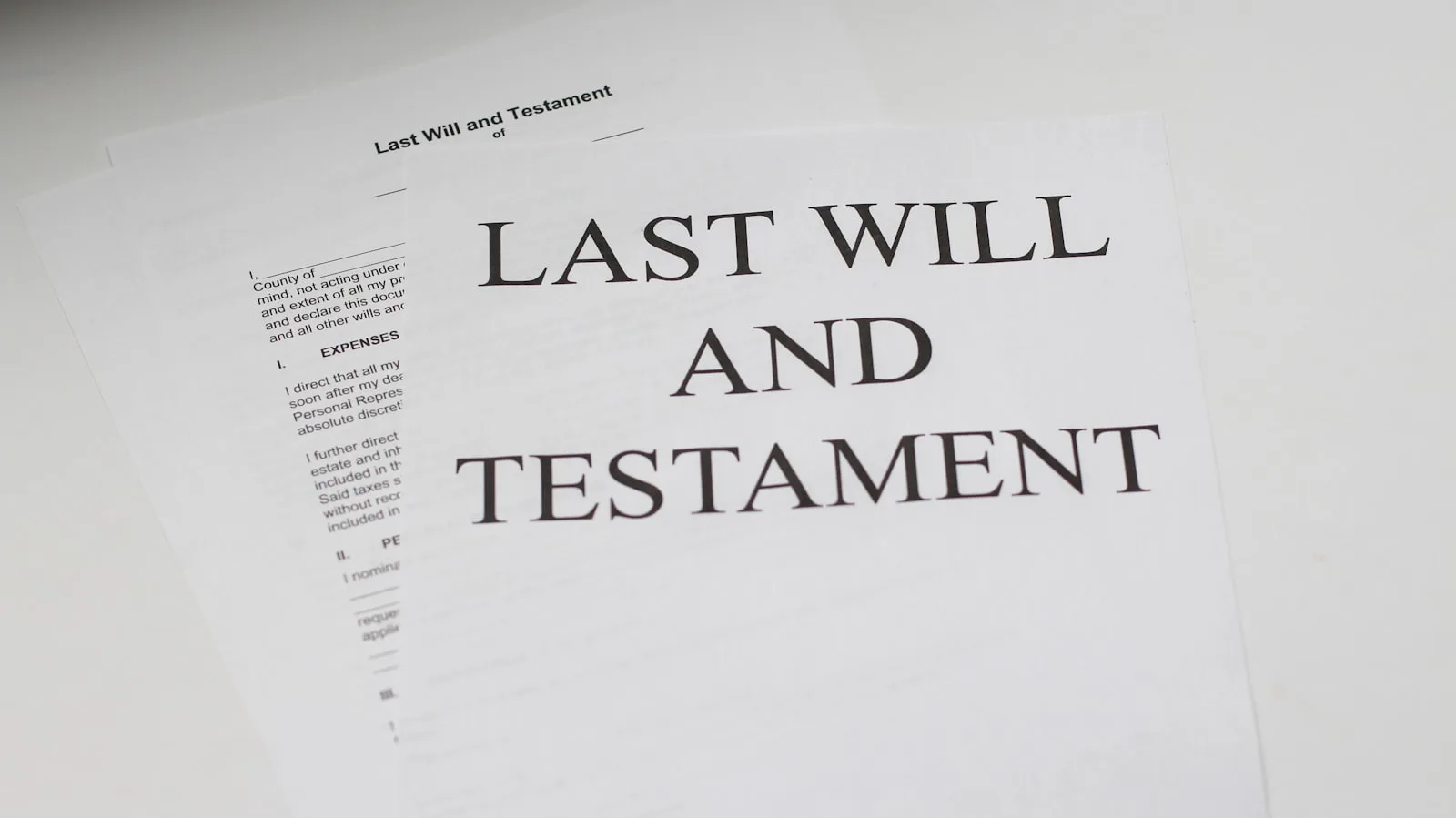
Switzerland reformed its succession law in 2023, giving individuals significantly more freedom to distribute their estates. Here is what changed and what it means for your wealth planning.
Switzerland's succession law is among the most carefully structured in Europe, balancing individual freedom with the protection of close relatives. A major reform that came into force on 1 January 2023 has shifted that balance meaningfully in favour of testators — those making a will. For anyone with assets in Switzerland, understanding the current rules is essential to effective estate planning.
What changed with the 2023 succession law reform?
The reform reduced the forced heirship shares — the portions of an estate that cannot be taken away from certain heirs regardless of the testator's wishes. Under the old law, descendants (children, grandchildren) were entitled to three-quarters of their legal share as a protected minimum. Since January 2023, this has been reduced to one-half. Parents of the deceased no longer have any forced share at all. The surviving spouse retains a protected share of one-half of their legal entitlement. The practical effect is a significant increase in the freely disposable portion of the estate, giving testators considerably more latitude to benefit a partner, stepchildren, charitable causes, or any other person they choose.
What estate planning instruments are available in Switzerland?
Swiss law recognises three principal forms of testamentary disposition. A holographic will is written entirely by hand, dated and signed by the testator — simple to draw up but more vulnerable to challenge. A public will is drawn up before a notary in the presence of two witnesses, providing greater legal certainty. An inheritance contract (Erbvertrag / pacte successoral) is a binding agreement between the future testator and their heirs, by which heirs may renounce part or all of their entitlement, often in exchange for an immediate benefit. Unlike a will, an inheritance contract is irrevocable without the consent of all parties.
How are estates and inheritances taxed in Switzerland?
There is no federal inheritance tax in Switzerland. Each canton applies its own rules. In Geneva, transfers between spouses and registered partners are fully exempt. Transfers in direct line — from parents to children — are also exempt in Geneva. Transfers to more distant relatives or unrelated individuals, however, can attract significant taxation: rates for transfers to third parties can reach 54.6% on larger amounts in Geneva. Cantons such as Zug and Schwyz levy no inheritance tax at all, making the choice of domicile a material factor in estate planning for those with the flexibility to relocate.
Lifetime gifts: an effective tool that requires careful handling
Lifetime gifts allow wealth to be transferred before death, reducing the eventual estate. In Geneva, gifts are subject to the same tax regime as inheritances. An important caveat: gifts made within five years before death are generally added back into the estate for the purpose of calculating forced heirship shares. A poorly timed gift can trigger disputes between heirs and unexpected tax consequences. Professional advice before making any significant gift is strongly advisable.
What happens without a will in Switzerland?
Without a will or inheritance contract, the estate is distributed according to the statutory rules of the Swiss Civil Code. Legal heirs are, in order: descendants (children, grandchildren), then parents and their descendants, then grandparents and their descendants. The surviving spouse inherits concurrently with other legal heirs in proportions defined by law. Where there are no legal heirs, the estate passes to the canton of domicile.
Succession planning in Switzerland rewards those who plan early. The rules are precise, the tax consequences can be substantial, and the decisions made — or not made — have lasting effects on the people left behind. Specialist advice tailored to your family situation and Swiss legal framework is the best investment you can make for the generation that follows.