U.S. Trade Tariffs
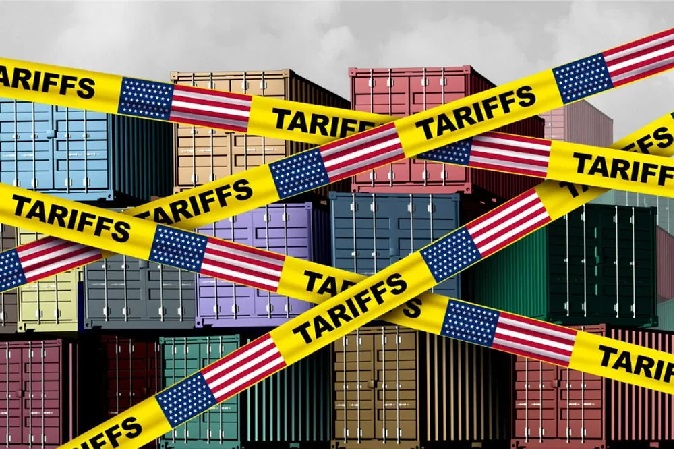
The 90-day moratorium on tariffs does not remove a base 10% tariff for all goods. We expect the moratorium to be extended to fall, and the tariff situation to ultimately be resolved in a manner acceptable to American businesses and financial markets.
The 90-day moratorium on tariffs does not remove a base 10% tariff for all goods. We believe that the 90-day period, which expires in July, will not be sufficient for the U.S. government to negotiate new tariffs with all countries. Furthermore, July is a month when many government employees, as well as politicians, go on holiday.
We therefore expect the moratorium to be extended to fall. During this time frame, the 10% tariffs will be paid by American consumers and businesses, but the impact on the American economy should be manageable. We ultimately think that the U.S. will settle for much less than what Trump or members of his government have asked for, due to the negative economic risks for the American economy.
Time is running against the U.S. government. Indeed, with the mid-term U.S. Congress elections in less than 17 months, the situation is as follows:
1) The longer the economic malaise persists, the higher the probability that Republicans lose the mid-term elections;
2) The higher the probability that the Republicans lose the mid-term elections, the less inclined companies will be to make significant investment decisions, due to the regulatory uncertainty of what could happen in the case of a change in control of the U.S. Congress;
3) The longer companies wait to see what happens with the mid-term elections, the worse the economic malaise.
And the cycle repeats at step 1.
This is why we expect the tariff situation to be resolved in a manner that is considered acceptable by American businesses and by the financial markets.