Kevin Warsh Wants to Rebuild the Fed.
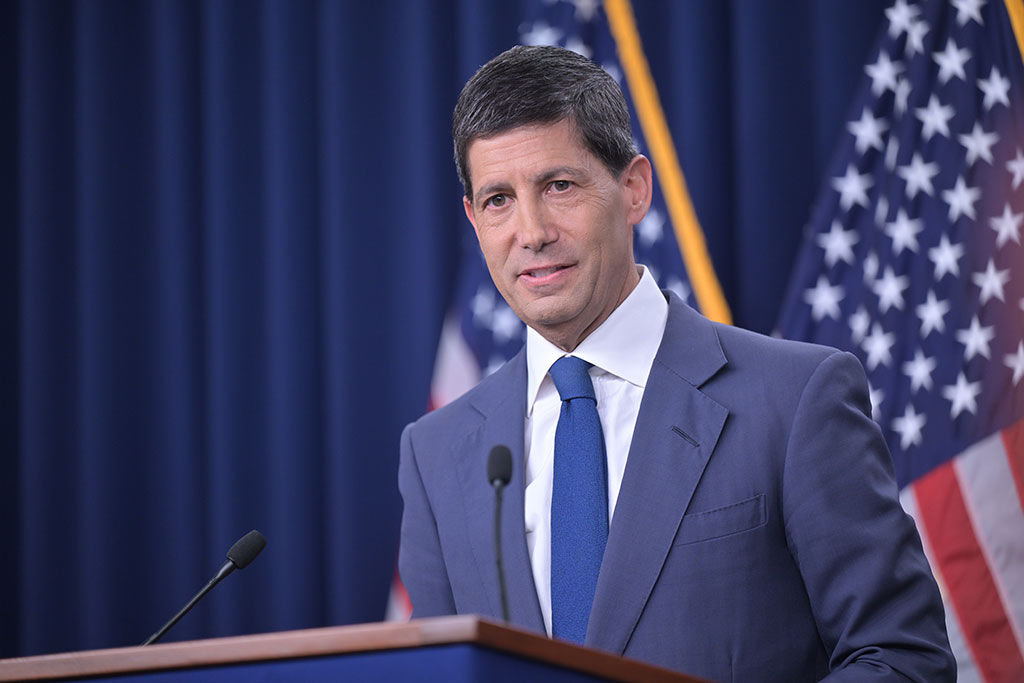
The financial markets have had a rocky relationship with Jerome Powell over the years. With Kevin Warsh now stepping in, many investors are hoping things shift....
The financial markets have had a rocky relationship with Jerome Powell over the years. With Kevin Warsh now stepping in, many investors are hoping things shift.
Indeed, when Kevin Warsh took over as Fed chair, he didn't just start tweaking interest rates. He set up five task forces to take a hard look at how the central bank actually operates.
First, how the Fed talks. Every statement, forecast, and offhand remark from a Fed official can send markets swinging. Warsh wants to know if there's a clearer way to communicate policy without triggering all that noise — and without boxing the Fed into positions that limit its flexibility to act. It's worth remembering that in 2021, the Fed was slow to recognize the inflation problem taking hold. Part of that delay traced back to its own prior messaging, when officials repeatedly described the price increases as "transitory."
Second, the balance sheet — the trillions in assets the Fed built up bailing out the economy through various crises. The question here is blunt: does the Fed actually need to be sitting on that much? A task force is looking at whether there's a leaner way to manage short-term rates, since the size of that portfolio shapes credit conditions well beyond Wall Street. Many market participants see a smaller balance sheet as a healthier long-term setup — though others warn that shrinking it too aggressively risks tightening financial conditions more than intended, as nearly happened during the 2019 repo market squeeze.
Third, better data. Official economic statistics tend to lag behind reality, sometimes by months. One group is trying to figure out how to get the Fed a faster read on what's actually happening — spending, hiring, business activity — so policymakers aren't steering by numbers that are already out of date.
Fourth, and maybe the most interesting one: AI and jobs. If artificial intelligence makes workers meaningfully more productive, the economy could grow faster without the usual inflationary side effects. That would upend a lot of assumptions the Fed uses to set rates, and this task force is trying to get ahead of it.
Fifth, inflation itself. The price spikes of the early 2020s caught a lot of economists off guard — they underestimated how fast prices could rise and how stubborn inflation could be once it took hold. This task force is going back through those lessons to see what the Fed got wrong.
Taken together, these aren't just five technical reviews. Warsh is essentially asking whether the Fed has been running itself the right way — and that question reaches well past Wall Street, into borrowing costs, savings returns, the job market, and the price of everyday goods.
None of this changes rates tomorrow. But if it reshapes how the Fed operates, people will feel it for years.